
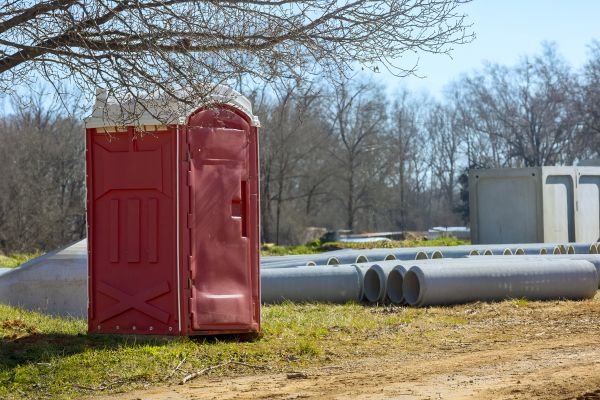
Porta Potty Rental Cost Southwest
Portable sanitation is one of those line-item costs people often underestimate—until a jobsite inspector shows up, guests start lining up, or extreme heat makes service frequency a bigger deal than expected. Porta potty rental cost Southwest searches usually come from people planning an outdoor event or managing a construction project across the U.S. Southwest (Arizona, New Mexico, Southern California, Nevada, Utah, West Texas), where travel distance, desert temperatures, and seasonal demand can all shift pricing.
In this guide, you’ll learn what porta potty rentals typically cost in the Southwest, what’s included (and what isn’t), how different unit types change the price, and how to budget accurately for delivery, pickup, and servicing. You’ll also see real-world scenarios (weddings, festivals, job sites, emergency use), common misconceptions that cause surprise charges, and a set of practical FAQs you can use to scope your order with confidence.
Direct Answer: What a porta-potty rental costs looks like in the Southwest
In the Southwest, most porta potty rentals land in a practical “all-in” range of about $150–$300 per unit per week for common setups, with short-term day rentals often starting around $80–$175 and monthly rentals commonly ranging from about $100–$500+, depending on unit type and service frequency. Fixr
A concrete example of Southwest metro pricing: Phoenix portable toilet rentals are commonly quoted in ranges like ~$183–$367 per 7-day rental for standard units, with event units and ADA units typically higher, plus separate delivery costs influenced by distance and fuel. ZTERS
The biggest cost drivers are:
- Rental duration (one-day vs weekly vs multi-month)
- Unit type (standard, ADA, flushable, luxury, trailers)
- Service frequency (weekly service vs multiple services per week)
- Delivery/pickup distance & site access (rural desert sites cost more to reach)
Seasonal demand (peak wedding/festival months and busy construction cycles)
In-Depth Breakdown: How porta potty rental pricing works
What you’re actually paying for
A porta-potty quote usually blends multiple components:
- Base unit rental: the “time-based” portion (day/week/month)
- Delivery and pickup (haul): transport, placement, removal
- Servicing: pumping, cleaning, restocking paper/chemicals (often weekly standard)
- Consumables: deodorizer chemicals, toilet paper, sanitizer (varies by package)
- Optional add-ons: handwash stations, interior lights, sinks, flush, baby-changing, etc.
- Damage waiver or deposit (sometimes required; varies by provider)
Even if a quote is presented as one number, it’s worth asking what’s bundled—because two “$250/week” quotes can include very different service assumptions.
Typical price bands by duration (what most people budget against)
Using widely reported national ranges as a realistic baseline (with Southwest adjustments mainly from distance, fuel, and servicing needs):
- 1 day: commonly $80–$175 for standard units, Fixr
- 1 week: commonly $150–$300 (many projects live here) Fixr
- 1 month: commonly $100–$500+, depending on unit and servicing Fixr
In practice, Southwest metros can be competitive, while remote sites (desert builds, infrastructure projects, rural event venues) can climb due to logistics.
Unit types and how they change cost
Standard unit (basic)
Lowest cost and most common. Works for construction sites, casual events, parks, etc.
Event unit (standard but “event-ready”)
Often the same shell, but priced around timing/ volume and sometimes bundled with tighter delivery windows.
ADA-compliant accessible unit
Larger footprint, ramp/handrails, and required space considerations. Typically costs more per rental period than standard units. (Expect higher delivery complexity, too.)
Flushable unit/unit with sink
Better guest experience and hygiene. Often justified for weddings, corporate events, food service areas, and higher-end gatherings.
Handwash station (separate)
A common add-on for food events and many job sites. Often priced as a separate line item.
Restroom trailer (multi-stall “real bathroom” feel)
Highest tier; pricing depends heavily on size, duration, water/power needs, HVAC, and whether an attendant is required.
Southwest-specific factors that commonly move the price
1) Heat and service frequency
Hot weather can increase odor and usage stress, which pushes many projects to increase service visits (e.g., 2x per week instead of 1x). More service = more cost, but also fewer problems.
2) Distance and fuel
Longer hauls to remote sites can add meaningful delivery fees. Some vendors quote delivery separately, and it can be tied to current fuel costs and access time. ZTERS
3) Terrain and truck access
If the service truck can’t get close (soft sand, steep grades, gated areas, tight alleys), expect added labor or even refusal unless you provide a better placement zone.
4) Seasonality
Southwest event seasons (weddings, outdoor festivals, sports tournaments) can create spikes. Booking early can protect availability and sometimes price.
5) Permits and placement rules
Permits are often only needed if units sit on public property (sidewalks, parks, street closures), while private land is usually simpler—though it varies by city/county. ZTERS
Real-World Examples and Use Cases
Construction site (multi-month)
Scenario: A small crew on a 12-week build in a Southwest metro suburb.
Typical approach: 1–2 standard units, weekly service, optional handwash station.
Cost reality: Monthly rental can be cost-efficient versus repeated short-term rentals, but service frequency and access determine the real total.
Outdoor wedding at a rural venue
Scenario: 120 guests at a desert venue with limited plumbing.
Typical approach: 1–2 nicer units (flushable or trailer if budget allows), plus handwash.
Cost reality: Trailers can jump the budget quickly—often justified when guest expectations are high, the event is long, and you need “indoor-like” comfort.
Festival or sporting event
Scenario: 800 attendees in an all-day event.
Typical approach: Multiple standard/event units, one ADA unit, handwash stations, increased service, or mid-event pump-out.
Cost reality: The number of units and the servicing plan drive cost more than the “base rental.”
Emergency use (sewer repair, wildfire recovery, water shutoff)
Scenario: Home or community temporarily without functioning toilets.
Typical approach: Fast delivery standard unit(s); sometimes longer rental if repairs drag on.
Cost reality: Rush delivery and limited availability can outweigh “normal” pricing.
Benefits, Pros, and Cons
Benefits
- Predictable sanitation access where plumbing isn’t available
- Scalable for everything from a small crew to a large crowd
- Compliance support for worksites that must provide sanitary facilities (rules depend on context)
- Health and hygiene improvement versus “make do” solutions
Pros
- Fast deployment (often same/next day in metros)
- Flexible duration (days to months)
- Multiple comfort tiers (basic → trailer)
Cons
- Hidden total cost risk if delivery, service, and add-ons aren’t clear
- Heat and heavy usage can require more servicing than expected in Southwest conditions.
- Placement constraints (truck access, level ground) can complicate logistics.
Vandalism/theft risk in unsecured public areas (may increase deposit/waiver needs)
Common Mistakes and Misconceptions
Mistake 1: Assuming “weekly rental” includes unlimited servicing
Many quotes assume one service per week; extra service visits cost extra. ZTERS
Mistake 2: Forgetting delivery/pickup fees
Some vendors separate delivery; it may depend on distance and fuel. ZTERS
Mistake 3: Renting too few units
Undersupplying creates lines, mess, and more frequent service needs (which can cost more than renting another unit).
Mistake 4: Ignoring access and placement
If trucks can’t reach the unit safely, you may pay extra or have service delayed—leading to the worst-case scenario: a unit that can’t be cleaned on schedule.
Mistake 5: Confusing ADA “available” with ADA “required.”
Accessible units are often a best practice and sometimes required by event rules or venue standards. Don’t guess—verify your event/site obligations.
Mistake 6: Treating compliance as optional on job sites
Employers have obligations to provide sanitary restroom access for workers under OSHA sanitation standards. OSHA
Frequently Asked Questions
1) What does it cost to rent a porta-potty in the Southwest?
Most people budget $150–$300 per unit per week for standard setups, with day rentals often around $80–$175 and monthly rentals commonly ~$100–$500+ depending on unit type and service frequency. Fixr
In Phoenix, for example, reported 7-day ranges for standard units are commonly cited around $183–$367, with delivery as a separate average line item in some quotes. ZTERS
2) What’s usually included in the rental price?
Typically: the unit, a standard servicing schedule (often weekly), and basic supplies. But inclusions vary—always confirm service frequency, delivery/pickup, and damage/deposit terms in writing.
3) How long can you rent one for?
Common terms are 1 day, weekend, 1 week, or monthly, and many providers support multi-month rentals for construction and long projects. Fixr
4) How often does it need to be serviced?
Weekly service is common for many standard job-site rentals, but high-traffic events or hot-weather conditions may require more frequent service to stay clean and usable. ZTERS
5) Do I need a permit?
Often, only if the unit can only be placed on public property (sidewalks, parks, streets). Private land is usually simpler, but city/county rules vary—check locally. ZTERS
6) How do I choose the right type (standard vs ADA vs trailer)?
Use these decision points:
- Standard: job sites, casual events, short durations
- ADA: accessibility needs, inclusive events, many public-facing scenarios
- Flushable / sink: higher expectations, longer events, food-heavy gatherings
- Trailer: weddings/corporate or premium guest experience; budget accordingly
7) How many porta-potties do I need?
Description
Conclusion
Porta potty rental cost in the Southwest is best understood as a bundle of duration + unit type + servicing + logistics. If you remember nothing else: the “base rental” is only part of the real price—service frequency and delivery distance often decide whether your total stays predictable.
When you request quotes, ask for an itemized breakdown (unit type, rental term, included service visits, delivery/pickup, and any add-ons like handwash stations). With that clarity, you can compare vendors fairly, budget accurately, and avoid the most common surprises—especially in remote or high-heat Southwest conditions.
If you want, tell me your city/state, number of guests or crew size, and rental duration, and I’ll outline a realistic cost range and a “right-sized” unit mix (standard vs ADA vs handwash) with a simple checklist you can send to rental companies.