
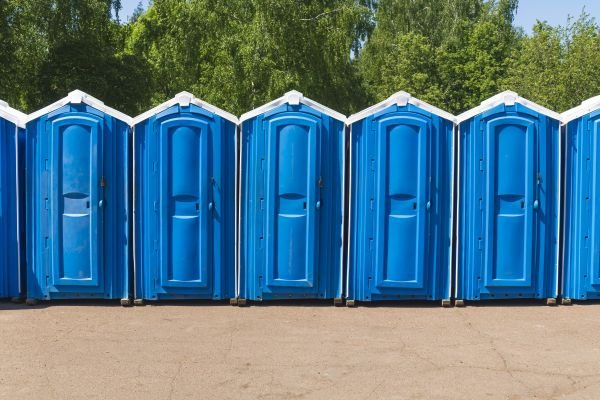
How Many Porta Potties Do You Need
Planning portable toilets sounds simple—until you’re responsible for lines, sanitation, and compliance. How Many Porta Potties Do You Need is a common question because the “right” number depends on more than headcount: event duration, alcohol service, whether food is served, the mix of men/women/children, ADA accessibility needs, handwashing requirements, and how often units will be serviced. Underestimating can create long queues, hygiene issues, and unhappy guests or workers. Overestimating wastes budget and space.
In this guide, you’ll learn a clear starting ratio you can use right away, plus the practical adjustments professionals make for real-world conditions. You’ll also see examples for weddings, festivals, job sites, and outdoor gatherings—along with common mistakes (like forgetting handwashing stations or ADA units). By the end, you’ll be able to calculate an accurate portable toilet plan that matches your crowd, schedule, and setup.
Direct Answer / Definition
A reliable starting point is 1 porta-potty per 50 people for a 4–6 hour event, with routine servicing if the event is longer.
Then adjust based on: event length, alcohol, food, restroom access elsewhere, expected peak usage, and whether you need ADA-accessible units and handwashing.
For construction sites, a common baseline is 1 porta-potty per 10 workers for a standard 40-hour workweek, with more units or more frequent servicing for hot conditions, high usage, or longer shifts.
In-Depth Breakdown
The two biggest drivers: people and time
Portable toilets are limited by:
- Capacity (how many uses before they’re unpleasant or full)
- Turnover (how many people will need to use them during peak windows)
A crowd of 200 people for 2 hours is very different from 200 people for 10 hours. Longer time = more visits per person = more capacity required, or more servicing.
Key factors that change the number you need
1) Event duration
Use the baseline ratio for 4–6 hours. If your event runs longer:
- 6–8 hours: add ~10–20% more units (or schedule servicing)
- 8–12 hours: add ~20–40% more units (or servicing + handwash)
- Multi-day: plan daily servicing (or more) and consider adding units to cover peak periods
2) Alcohol service
Alcohol increases restroom usage noticeably. A safe planning rule:
- If alcohol is served, increase units by ~15–30%
- If it’s a heavy-drinking environment (festivals, sporting tailgates), plan toward the higher end
3) Food and hydration
Food stalls, caterers, and hot-weather hydration drive extra restroom trips. Add 10–15% if:
- Food is served heavily (festival-style)
- It’s hot, and people will drink more water
- You have coffee service all day
4) Gender mix and peak-time surges
Women often experience longer average restroom time, and lines build faster. If the crowd is:
- 50/50 mixed: baseline ratios usually work
- Heavily female: consider adding 10–20% units
Also consider peak surges: - Before a ceremony starts
- Intermission at concerts
- After speeches
- End-of-night departures
5) Kids and families
Children may need more frequent trips and assistance. For family-heavy events:
- Add 5–10% units, and prioritize handwashing and good lighting
6) ADA accessibility (and placement)
Accessible toilets aren’t optional in many contexts and are simply the right thing to plan for. A practical approach:
- For small events, plan at least 1 ADA-accessible unit
- For larger events, include ADA units proportionally and place them on firm, stable, level ground with an accessible route (no loose sand, steep slopes, or narrow gates)
7) Handwashing and hygiene requirements
Hand hygiene is often expected (and sometimes required by local rules or food-service standards). Options include:
- Hand sanitizer stands (helpful but not equal to washing)
- Handwashing stations with fresh water, soap, and towels (preferred when food is served)
If you’re serving food or have a worksite, plan handwashing as part of the restroom “system,” not an afterthought.
8) Servicing schedule
You can solve demand in two ways:
- More units, or
- More frequent servicing (pumping/cleaning/restocking)
If you can’t add space for more units, increase servicing frequency—especially for long events, hot climates, or heavy alcohol environments.
Variations/types that affect planning
Standard porta potties
Most common, cost-effective, quick to deploy. Best for:
- General events
- Construction sites
- Parks and temporary venues
ADA-accessible units
Larger footprint, needed for accessibility. Best for:
- Public events
- Mixed-age gatherings
- Any plan aiming for inclusivity and compliance
Restroom trailers (luxury/mobile)
Higher capacity feel, sinks, mirrors, and climate control in some models. Best for:
- Weddings and corporate events
- VIP areas
- Locations with strict comfort expectations
Urinal stations (high-impact for men’s lines)
Great for reducing queues where the crowd is heavily male. Best for:
- Sporting events
- Festivals
Large outdoor concerts
They can reduce demand on standard units and speed up throughput.
Real-World Examples & Use Cases
Example 1: Backyard party (40 people, 5 hours, drinks)
- Baseline: 40 people → 1 unit might work
- Alcohol + duration near 6 hours → bump capacity
Recommendation: 1 standard + strong hand hygiene (handwash station or sanitizer). If you expect heavy drinking or older guests, consider 2 units.
Example 2: Wedding (150 guests, 6–7 hours, dinner + bar)
- Baseline: 150 / 50 = 3 units
- Add 20–30% for alcohol + long duration
- Include accessibility
Recommendation: 4 units total, including 1 ADA, plus handwashing (ideally real sinks—often easiest via a restroom trailer or dedicated stations).
Example 3: Community festival (500 attendees, 8 hours, food trucks)
- Baseline: 500 / 50 = 10 units
- Add 10–15% for food + 20% for duration → roughly +30–35%
Recommendation: 13–14 units, include ADA, add handwashing stations, and consider urinals if the crowd skews male.
Example 4: Construction site (25 workers, full week)
- Baseline: 1 per 10 workers → 3 units
- If it’s hot or long shifts, add service frequency instead of extra units
Recommendation: 3 units, serviced at least weekly (more often if usage is high).
Example 5: Marathon/fun run staging area (1,000 participants, 4 hours peak)
- Baseline: 1,000 / 50 = 20 units
- Major peak surge pre-start and post-finish
Recommendation: 22–26 units, plus a few urinal stations to reduce lines, and clear signage.
Benefits, Pros & Cons
Benefits of sizing correctly
- Shorter lines and better guest/worker experience
- Cleaner units throughout the event
- Reduced risk of overflow, odor, and supply depletion (paper/soap)
- Better accessibility and inclusivity
- Easier site management and fewer complaints
Pros of renting more units
- Handles peak surges
- Less wear per unit, cleaner overall
- More redundancy if one unit goes out of service
Cons of renting more units
- Higher cost
- More space required (and better access for delivery/servicing)
- More site planning (lighting, pathways, signage)
Pros of relying on servicing instead of extra units
- Can keep the footprint smaller
- Often cheaper than doubling the unit count for multi-day events
- Maintains cleanliness if scheduled well
Cons of relying on servicing
- Requires access for service trucks
- Timing matters—missed or late service can cause major issues
- Still doesn’t fix peak-time line bottlenecks if you’re undercounted
Common Mistakes & Misconceptions
Mistake 1: Only counting total attendance, not peak attendance
If 1,000 people rotate in and out all day, that’s different than 1,000 people packed in for a 2-hour headline act. Plan for the busiest window, not the average.
Mistake 2: Ignoring alcohol
A “family-friendly event” and a “bar-forward event” with the same headcount won’t have the same restroom demand. Alcohol changes everything.
Mistake 3: Forgetting ADA-accessible toilets
Accessibility isn’t a “nice-to-have.” It’s a core requirement for many public events and a strong planning standard even for private ones. Don’t leave it to the last minute.
Mistake 4: Skipping handwashing
If food is served, people expect proper hygiene. Hand sanitizer helps, but it doesn’t replace soap and water for many situations. Plan handwashing stations when appropriate.
Mistake 5: Poor placement
Units placed far away, down a steep slope, or without lighting become underused or unsafe. Bad placement increases lines even if you have enough units.
Mistake 6: Assuming one ratio fits every situation
The “1 per 50” baseline is a starting point, not a universal law. Duration, service frequency, alcohol, and crowd flow matter.
Frequently Asked Questions
What does it cost to rent porta-potties?
Pricing varies by region, rental length, unit type (standard vs ADA vs trailer), and servicing frequency. The biggest cost drivers are how long you need them and how often they’re serviced. Get quotes based on headcount, hours/days, and whether you need delivery constraints.
How long does a porta-potty last before it needs servicing?
It depends on usage, heat, and whether supplies are restocked, but as a planning rule, longer events and higher traffic require either more units or scheduled servicing to stay clean and functional.
Is an ADA-accessible porta-potty required?
For many public-facing events, accessibility is commonly required by local regulations and venue rules, and it’s a best-practice baseline for inclusive planning. Even for smaller gatherings, having at least one ADA unit can prevent problems.
Do I need handwashing stations, or is sanitizer enough?
If food is served, if it’s a worksite, or if you expect families, handwashing stations are strongly recommended and sometimes required. Sanitizer is helpful as a supplement, but doesn’t cover every hygiene expectation.
How many porta-potties do I need if alcohol is served?
Start with the baseline ratio, then add 15–30% more units, depending on how alcohol-heavy the event is. If it’s a festival or long evening event with a bar, plan toward the higher end.
How many porta-potties do I need for a construction site?
A common baseline is 1 unit per 10 workers per 40-hour workweek, adjusted for shift length, climate, and servicing. High temperatures and long shifts often require more frequent servicing.
Should I rent a restroom trailer instead of standard units?
If comfort, appearance, and handwashing sinks matter (weddings, corporate events, VIP areas), restroom trailers can be a better experience. Standard units are usually the most practical option for large crowds and job sites.
Conclusion
Getting the right number of portable toilets is about matching restroom capacity to real usage—not just guessing by headcount. Start with 1 porta-potty per 50 people for a 4–6 hour event, then adjust for duration, alcohol, food, peak-time surges, and accessibility. For worksites, begin around 1 per 10 workers per week and increase servicing or unit count based on conditions.
If you want a quick double-check: write down your expected peak crowd, total hours, whether alcohol/food is served, and whether you need ADA access and handwashing—then apply the adjustments above. A little planning upfront prevents the most common event-day problem: restroom lines that spiral into complaints.
If you’d like, share your headcount, event length, and whether alcohol/food is involved, and I’ll calculate a tailored porta potty plan (including ADA and handwashing) in one paragraph.