
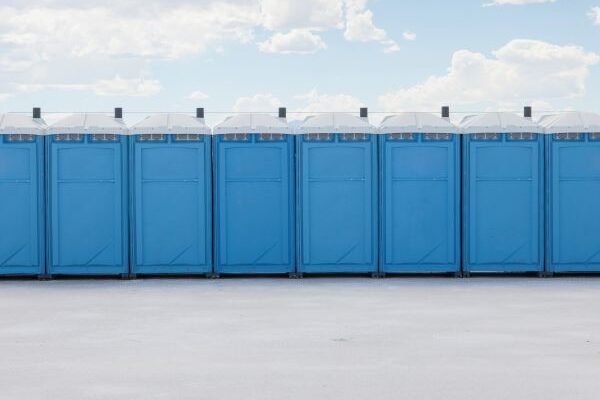
Porta Potty Hot Weather Tips
When temperatures climb, portable toilets can go from “fine for the day” to a genuine comfort, hygiene, and safety problem. Porta-potty hot-weather tips are practical steps that help reduce odor, heat buildup, insect activity, and sanitation risks when portable restrooms are used outdoors in summer or in warm climates. Hot weather accelerates bacterial activity and evaporation, intensifies smells, and makes the interior feel stifling—especially in direct sun or high humidity. It can also increase the chance of dehydration for users standing in lines, and it can make servicing more urgent for event organizers and site managers.
In this guide, you’ll learn the most effective ways to keep portable toilets usable and safe in hot conditions—covering placement, ventilation, shade, deodorizing and tank chemistry, servicing frequency, hand hygiene, and user management. Whether you’re planning a festival, managing a construction site, coordinating a wedding, or supporting emergency response operations, these tips help you maintain a cleaner unit, a better user experience, and fewer complaints.
Direct Answer / Definition
Porta-potty hot-weather tips are best practices for keeping portable toilets cooler, less smelly, and more sanitary during high temperatures by using smart placement (shade and airflow), appropriate waste-treatment chemicals, more frequent servicing, and improved hygiene supplies.
Key actions: put units in shade, maximize ventilation, increase service frequency, manage odor at the tank (not just with sprays), keep handwashing/hand sanitizer stocked, and control heat-related user issues like lines and dehydration.
In-Depth Breakdown
Why hot weather makes portable toilets harder to manage
Hot conditions change how a portable toilet behaves:
- Odor intensifies faster because heat speeds up bacterial breakdown of waste and increases vapor release.
- The interior becomes uncomfortable as the plastic shell absorbs solar heat, especially in full sun.
- Flies and insects multiply more quickly, increasing hygiene concerns.
- Liquids evaporate faster, which can reduce the effectiveness of tank treatment and leave stronger odors behind.
- Higher usage patterns at summer events (sports, concerts, beaches) can overwhelm normal servicing schedules.
How a porta-potty controls odor and sanitation (the basics)
Portable toilets rely on a few key elements working together:
Key components
- Waste holding tank: Stores waste and liquid.
- Deodorizing/biological or chemical treatment: Helps suppress odor and break down waste.
- Vent stack (on many units): Moves air up and out to reduce smells inside the unit.
- Door and vents: Allow passive airflow.
- Seat/lid and urinal: Design affects splash, airflow, and cleanliness.
- Hand hygiene station: Built-in sanitizer or external handwash station.
If any of these are neglected—especially in heat—conditions degrade quickly.
Placement: the #1 lever in hot weather
Where you put the unit often matters more than what you spray inside it.
Shade strategy
- Place units under tree shade, on the north/east side of buildings (in the Southern Hemisphere, adjust accordingly), or use pop-up shade structures.
- Avoid placing units in full afternoon sun, which usually creates the hottest interior temperatures.
- If using shade tents, ensure they don’t block ventilation at the top.
Airflow and orientation
- Put units where there’s natural airflow (breezeways, open areas), not in windless corners.
- If units have a vent stack, position them so airflow can move past the stack.
- Avoid tight clusters pressed together; leave space to allow cross-ventilation.
Ground and access
- Place on level ground to reduce tipping risk and improve tank function.
- Ensure a service truck can access units easily—hot-weather schedules may require more frequent pumping and cleaning.
Servicing frequency: plan for heat-driven demand
In hot weather, “standard service intervals” often aren’t enough.
What changes in summer
- Odor complaints start sooner.
- Tanks fill faster at events where people hydrate more.
- Paper use increases with sweat, dust, and higher foot traffic.
Practical rule of thumb
- For events: plan at least one additional service if the event spans multiple hot days or if usage is heavy.
- For worksites: consider mid-week service additions during heat waves.
Servicing is not just pumping—good service includes scrubbing touchpoints, replenishing paper, and refreshing treatment.
Tank treatment: control odor at the source
Hot weather odor control works best when you manage the holding tank correctly.
Use the right deodorizer/treatment
Portable toilet providers typically use:
- Deodorizing chemicals (often dyed blue) that suppress odor.
- Enzyme/bacterial treatments are designed to break down waste more naturally.
In extreme heat, treatments may need re-dosing more often due to evaporation and faster biological activity.
Add water (when appropriate)
A common hot-weather improvement is ensuring there’s enough liquid volume in the tank:
- Helps dilute odor-causing compounds.
- Helps prevent waste from sticking and baking onto surfaces.
- Improves the effectiveness of treatment products.
Only add water if it’s compatible with your provider’s servicing approach—on many sites, the provider will handle this during service.
Avoid “perfume-only” fixes
Aerosol fragrances can make things worse by combining with waste odors. Focus on:
- Tank treatment
- Ventilation
- Cleaning touchpoints
Ventilation and heat reduction upgrades
If you’re managing multiple units or long-duration use, consider enhancements:
- Units with vent stacks are often noticeably better in heat.
- Light-colored units or units placed in shade stay cooler.
- Solar-powered vent fans (available in some models) can reduce odors by pulling air upward.
- Keep vents unobstructed—don’t tape over openings or block the top vent area with signage.
Hand hygiene: hot weather raises the stakes
Heat increases sweating and can increase dehydration and illness risk. Strong hand hygiene support matters more, not less.
Best practices:
- Provide handwash stations (water + soap) when feasible, especially for food events.
- If not possible, ensure high-quality hand sanitizer is constantly stocked.
- Add trash bins nearby to reduce litter and keep the area clean.
Managing lines, user comfort, and safety
Hot-weather complaints aren’t only about smell.
- Provide more units or stagger breaks to prevent long lines in the sun.
- Offer shade near the toilet bank (but keep airflow).
- Consider drinking water stations nearby at events.
- Ensure adequate lighting for evening use (hot days often lead to night activity).
Real-World Examples & Use Cases
Outdoor weddings and private events
- Units are often placed for aesthetics, but hot sun behind a marquee can turn them into ovens.
- Best move: place in shade with discreet screening, plus handwash stations and extra service if the event is all-day.
Construction sites and roadworks
- Workers may use units heavily during breaks, and heat can spike odor by midday.
- Best move: add mid-week service during heat waves, provide shade, and ensure supplies are topped daily.
Festivals, concerts, and sporting events
- High usage + heat + alcohol = fast fill, strong odors, and big line management challenges.
- Best move: increase unit count, add roaming attendants, schedule pumping during low-traffic hours, and provide hand hygiene and shade.
Emergency response and disaster relief
- Hot conditions can accelerate sanitation problems quickly.
- Best move: clear servicing schedule, strict placement rules (away from food/water distribution), and strong hand hygiene support.
Parks, beaches, and seasonal tourism areas
- Salt air and sand add cleaning challenges, and sun exposure is intense.
- Best move: shade placement, frequent cleaning of touchpoints, and insect control.
Benefits, Pros & Cons
Benefits of applying hot weather best practices
- Less odor and fewer complaints
- Cleaner interiors and touchpoints
- Lower insect activity
- Better user comfort and compliance
- Reduced the risk of sanitation-related illness spread
- More predictable servicing and fewer “emergency calls.”
Pros
- Practical improvements often require no equipment, just better placement and servicing.
- Enhanced hygiene setups improve overall event/site reputation.
- Preventative steps can reduce long-term cleaning and maintenance issues.
Cons
- More frequent servicing increases cost and logistics.
- Shade structures and handwash stations require space and planning.
- In extreme heat, even well-managed units may still feel warm—expectations must be managed.
Common Mistakes & Misconceptions
Mistake 1: Putting units in full sun “so they dry out.”
Drying doesn’t equal sanitation. Full sun often makes odors worse and increases user discomfort.
Mistake 2: Relying on air fresheners instead of tank management
Fragrance doesn’t solve the source. Odor control works best with proper treatment + adequate liquid + ventilation.
Mistake 3: Underestimating usage in summer
People drink more fluids, and events run longer. Hot weather often means higher throughput than expected.
Mistake 4: Blocking vents with signage or decorations
It may look nicer, but it reduces airflow and traps odor and heat inside the unit.
Mistake 5: Skipping hand hygiene because “it’s just portable toilets.”
Hand hygiene is non-negotiable—especially when food is present or when many people share the same facilities.
Misconception: “All porta-potties are the same.”
Units with vent stacks, better seals, higher capacity tanks, or solar ventilation can perform noticeably better in heat.
Frequently Asked Questions
How often should a porta-potty be serviced in hot weather?
It depends on usage volume, but hot weather usually requires more frequent servicing than cooler conditions—often adding an extra service during multi-day events or heat waves.
What’s the best way to reduce porta-potty smell in summer?
The most effective approach is shade + ventilation + proper tank treatment + adequate liquid volume + frequent cleaning, rather than relying on sprays.
Do portable toilets need special chemicals in high temperatures?
Often, yes. High temperatures can reduce treatment effectiveness over time, so providers may use stronger deodorizing treatments or re-dose more frequently.
Can you put a porta-potty under a tent or shade structure?
Yes—shade can help significantly—so long as you don’t block ventilation and you keep the area open enough for airflow and easy servicing access.
Is it safe to use a porta-potty in extreme heat?
Generally, yes, but comfort can drop quickly. Managing lines, shade, hydration access, and cleanliness helps reduce heat-related stress for users.
How do you control flies and insects around portable toilets?
Use cleaning and servicing frequency, keep the surrounding area free of trash, ensure doors close properly, and avoid placing units near food waste or dumpsters.
How many porta-potties do you need for a summer event?
The right number depends on attendance, duration, alcohol consumption, and service frequency. In hot weather, plan conservatively because higher fluid intake and higher traffic can overwhelm facilities faster.
Conclusion
Hot weather turns portable toilet management into a real operational task: odors build faster, interiors heat up, insects become more active, and servicing needs increase. The most reliable porta potty hot weather tips are straightforward—place units in shade with airflow, keep vents unobstructed, manage odor at the tank with proper treatment and enough liquid, increase servicing frequency, and prioritize hand hygiene. When you plan for heat up front, you get cleaner units, fewer complaints, and a safer, more comfortable experience for everyone using the facilities.
If you’re organizing an event or running a site, a simple next step is to walk the placement area during the hottest part of the day and identify where shade, airflow, and service access are best—then build your toilet layout around that.